 |
 |
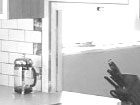 |
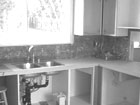
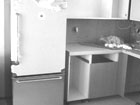
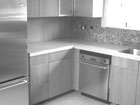
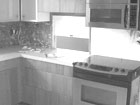
The layout of the kitchen remained
unchanged. the U-shaped cabinets allowed easy movement in the
space and the sink overlooking the front of the property makes
it easy to wave to neighbors as they pass. The deep red walls
were chosen to hilite the stainless steel and oak. |
 |
 |
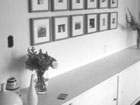 |
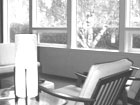
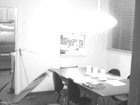
The dining room received a new
coat of paint and a George Nelson saucer lamp to replace the
chandelier. The acid-etched plywood that was used for panelling
was in remarkably good shape. |
 |
 |
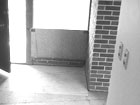 |
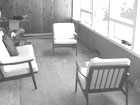
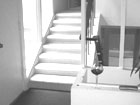
Aside from some paint, window coverings
and painting the floor to protect it, not much was changed in
the rest of the main floor as it was used for storage and as
a workshop during the renovations. |
 |
 |
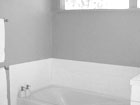 |
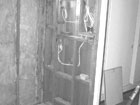
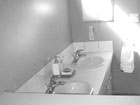
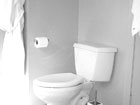
The master bath was the room that
changed the most. Althought the basic layout of the tub and
sinks was kept the same, the room received a new floor and ceiling,
proper drywall and insulation in addition to being rewired and
upgrading the plumbing. The biggest change was to remove a closet
to relocate the toilet and make room for a shower stall in the
corner. One of the interesting finds was that the bathroom was
clad in Arborite with metal strips at the seams - it felt like
you were in a train or airplane bathroom. Some pictures of the
various finishes are available in the Design
section |
| The playroom received
a new coat of paint and a good cleaning. Carpet was installed
over the tiles as they contained asbestos and it was preferable
not to disturb them by cutting or scraping them off. |
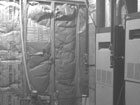
In the furnace room, the majority of the work involved removing the asbestos tiles that lined the walls and ceiling.
A company was hired to do the removal and once it was done some of the return air ductwork was re-routed to make it possible to access
the two water heaters which are located behind the furnaces. |
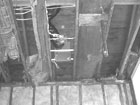
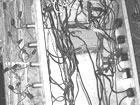
One of the junction boxes for the original remote
wiring system. The entire electrical system was replaced with
the exception of a single circuit that goes out to the garage. A new panel was created in the Laundry room. |